
What is a meditation dive?
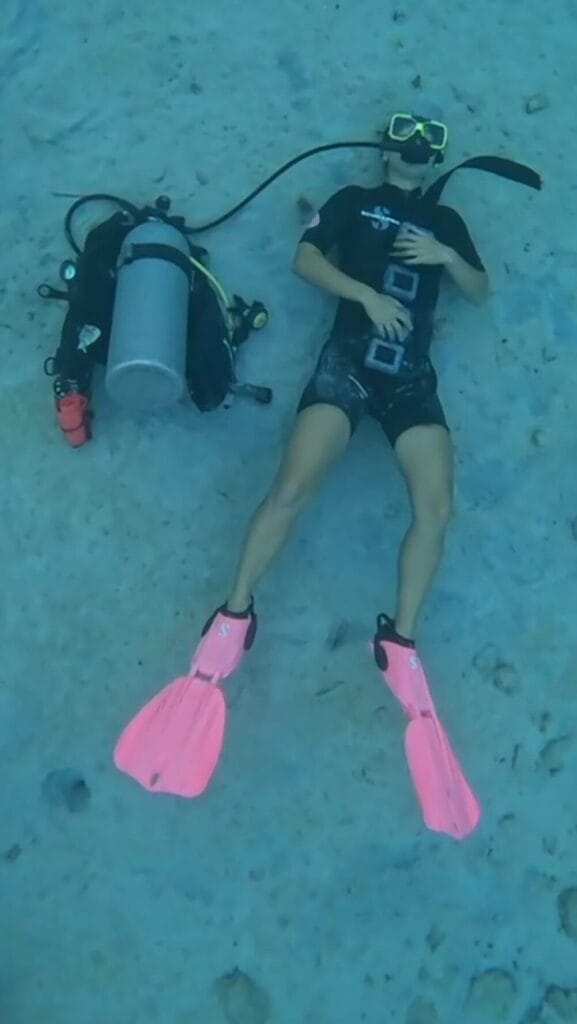
A meditation dive is a dive that makes meditation intentional. Divers often say “diving feels like meditating,” because it IS a form of active meditation. Or at least it could be if the intention is there. The meditation dives I conduct always start stationary. Divers remain in stillness for one dive before continuing with a mindfulness-focused fun dive.
By allowing yourself to be still for one dive, you have the opportunity to fully let go of worldly thoughts such as navigation and good buddy responsibilities. Under the careful watch of an underwater meditation guide and dive instructor, you can rest assured that you are safe to travel inward.
Each meditation dive changes how you dive by transforming you from the inside out. Here are some differences meditation divers have reported:
1. Eases “transition anxiety.”
- What is “transition anxiety”? Divers often express discomfort during the transition between the surface and reaching the maximum depth of the dive. As a dive instructor, I frequently hear “I am anxious now, but I know I will feel ok once we get down there.”
- It seems divers get most anxious right before they enter the water. However, they know that once they get into the dive, they enjoy themselves.
- Meditation is scientifically proven to reduce feelings of anxiety.
- When we meditate underwater, we reinforce positive sensations of returning to ourselves, which eases transition anxiety.
2. You’ll be able to dive longer.
- What is the limiting factor for most of your dives? On deep dives, it might be bottom time. But 90% of the time, the dive ends because someone is low on air.
- Dive instructors don’t teach efficient breath techniques to lengthen dive times on the open water course – we’re just happy you’re breathing!
- Studies have also shown that meditation decreases your respiration rate. This means you actually breathe less volume of gas when you meditate.
- For divers, this means that every mindful breath equals more minutes spent where we want to be, underwater.
3. Better buoyancy control.
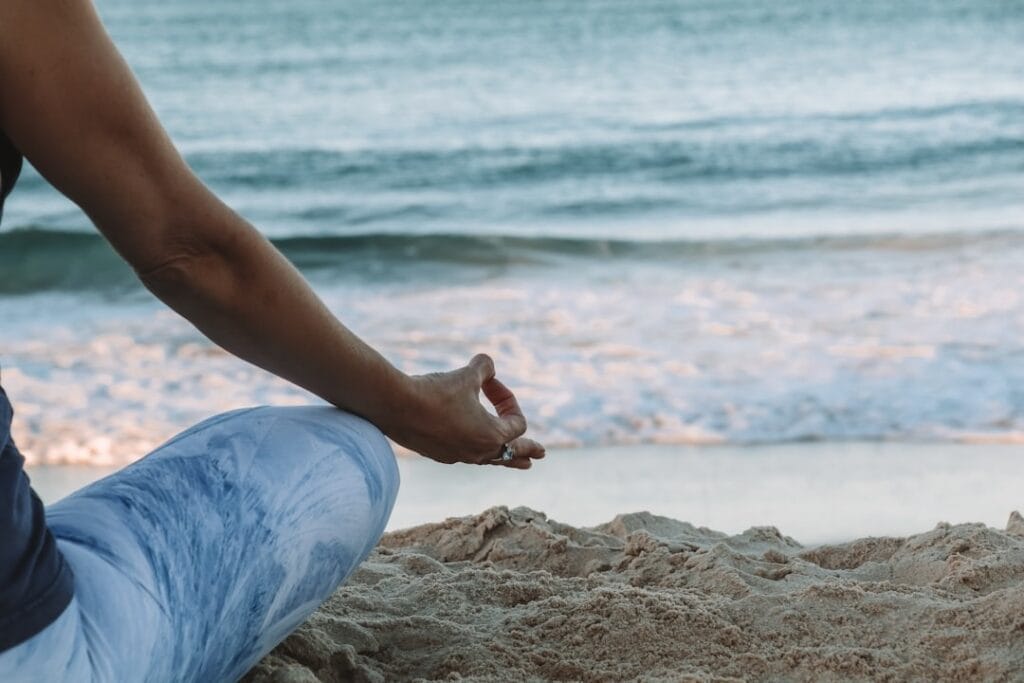
- With your improved breathing rate, your buoyancy will improve.
- Your lungs are the most efficient BCD you have!
- When you have more stress hormones, you tend to hold more air in your lungs. When you are more relaxed, you hold less air in your lungs.
- Less air in the lungs generally means you need less weight on your dive. The best divers hardly ever touch their BCD underwater. Instead, they focus on how their breath controls their buoyancy. This technique is how divers get that truly weightless bliss on each dive.
4. Noticing more aquatic creatures.
- People who practice meditation report noticing more details in their day-to-day life. For divers, “the art of noticing” is everything.
- A good dive guide knows the patterns of the reef well enough to point out the tiniest creatures. But someone attuned to detail can do this without knowing the ins and outs of each dive site.
- By sitting in stillness, you train your brain to stay focused without distractions.
- To divers, this means sharply scanning the reef for exciting life for longer periods of time before becoming distracted by your own thoughts. It’s hard to find that nudibranch when you’re busy thinking about your post-dive snack!
5. Sense of belonging in the ocean.
- You may have heard the term “oneness” to describe a sense of belonging with yourself and the world around you. Another term is “otherness,” which describes feeling separate or disconnected from either yourself or the world around you.
- In general, divers tend to feel indifferent to their relationship with the ocean. They are more focused on what they see than on what they feel.
- After a meditation dive, divers report feeling a deeper connection to the ocean. They feel more connected to themselves.
- They describe the experience as feeling connected to something larger than themselves. Regardless of what this means to you, the experience of feeling more connected to the ocean is universal.
6. Decreased exhaustion and improved recovery.
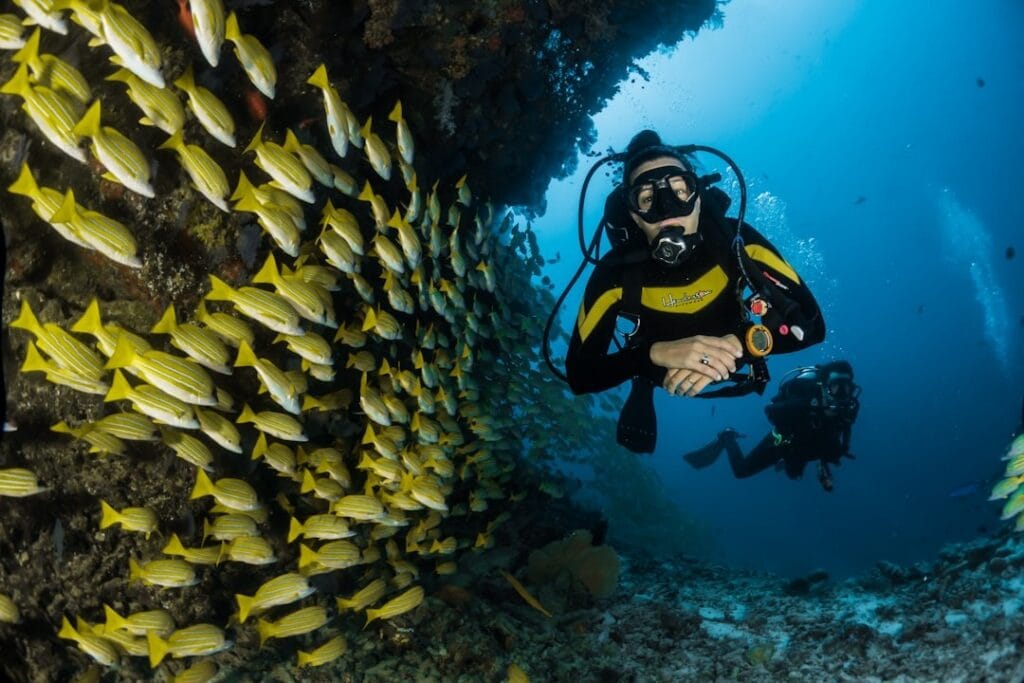
- If you’ve ever done multiple days of diving, you know how exhausting this is. The combination of dehydration, sun exposure, and physical exertion tires the body and mind.
- Not only does gas management make your dives last longer, but slower breathing also lowers your heart rate and cortisol levels.
- What this means is that you produce less stress in your body with better breathing. Less stress means you conserve more energy and don’t feel the same levels of exhaustion after diving.
- Meditation has also been linked to better sleep. Nobody sleeps well on vacation. Different beds and all new exciting experiences often leave you tired in the morning. Studies have found that practicing meditation improves sleep quality.
- With improved sleep, divers have more energy for more dives and all of their other adventures.
7. Sensory Deprivation.
- Every diver knows the quiet calm of the underwater world. Sounds of the reef and bubbles. No engines or human noise to disturb the peace.
- On each meditation dive, divers have the option of covering their mask (removing it for comfort), depriving their senses even more.
- Combined with the weightlessness of the water supporting your body, divers find motion with the tides and release tension in the body.
- The very nature of meditation diving encourages sensory deprivation. By limiting external factors, the mind can more easily journey inward, enhancing the meditation experience.
Concluding Thoughts on the Meditation Dive Experience:
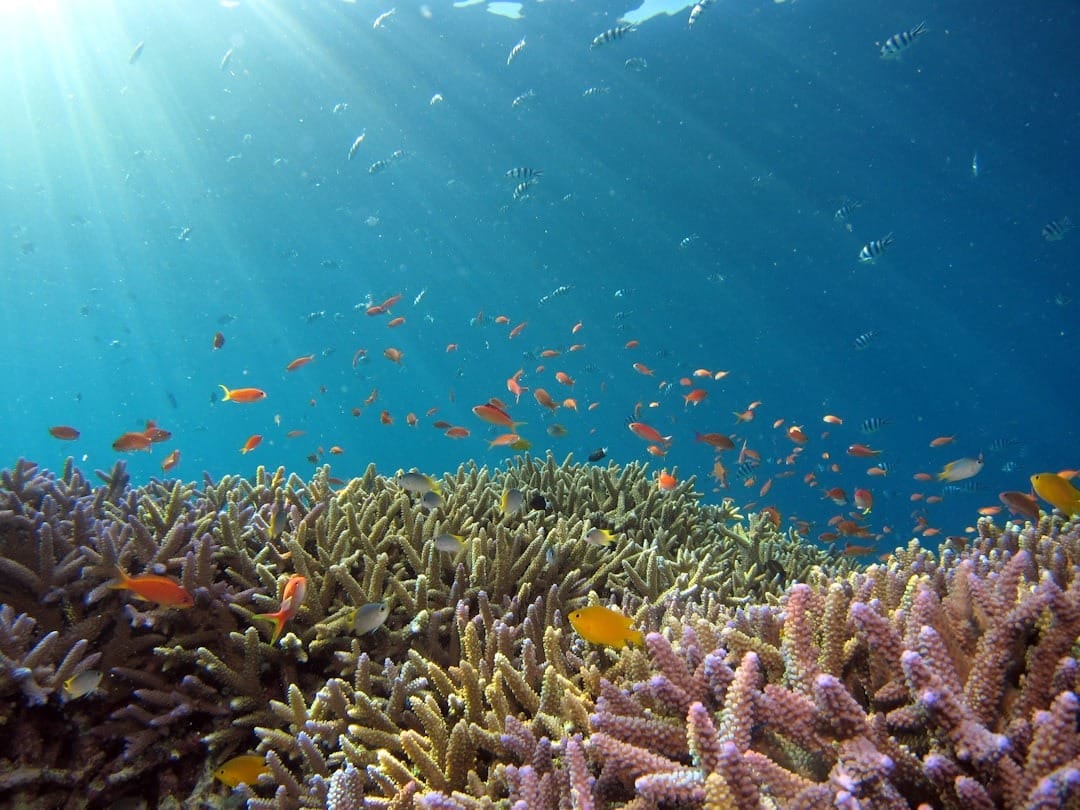
Meditation diving is so much more than sitting on the bottom doing nothing. The stillness is where true transformation takes shape. Each meditation dive changes the way you dive by transforming you from the inside out.
Changing how you breathe elevates your diving experience by improving gas consumption and buoyancy. Meditation divers find comfort and belonging in the water, which eases anxiety. A meditation dive can lead to better sleep, lower cortisol, and improved recovery.
Meditation diving is all about the journey inward and meeting yourself somewhere new. But surprisingly, it just might make you a better diver in the process.
If you’ve never thought about diving more intentionally, maybe this is your sign to do it.
If this post resonates, join our Facebook group to talk all things diving and meditation!
Ready for even more? Subscribe to the newsletter to receive updates on all things Mindfulness & Diving in Playa del Carmen, Mexico! Underwater stories, condition updates, and everything else you need to know about diving in Playa sent to your inbox every month.