
Every good diver asks a lot of questions before booking a dive trip. Here is everything you need to know about scuba diving in Playa del Carmen: conditions, costs, animal encounters, and everything else you need to plan your best dive vacation.
🌊 What is diving like in Playa del Carmen?
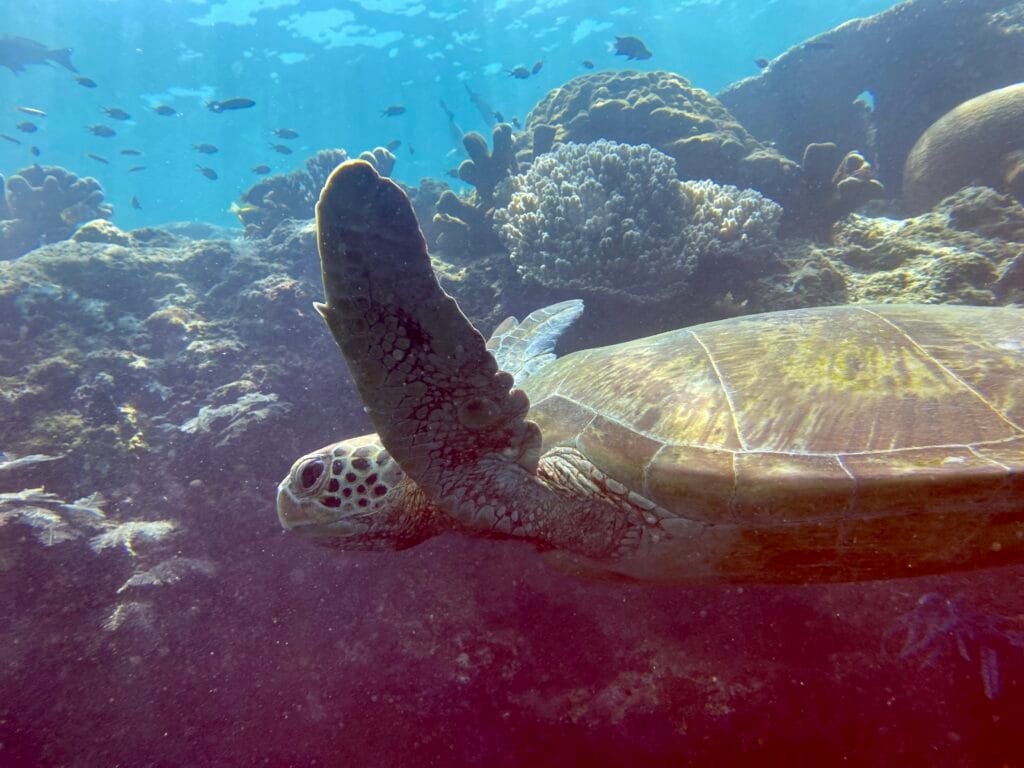
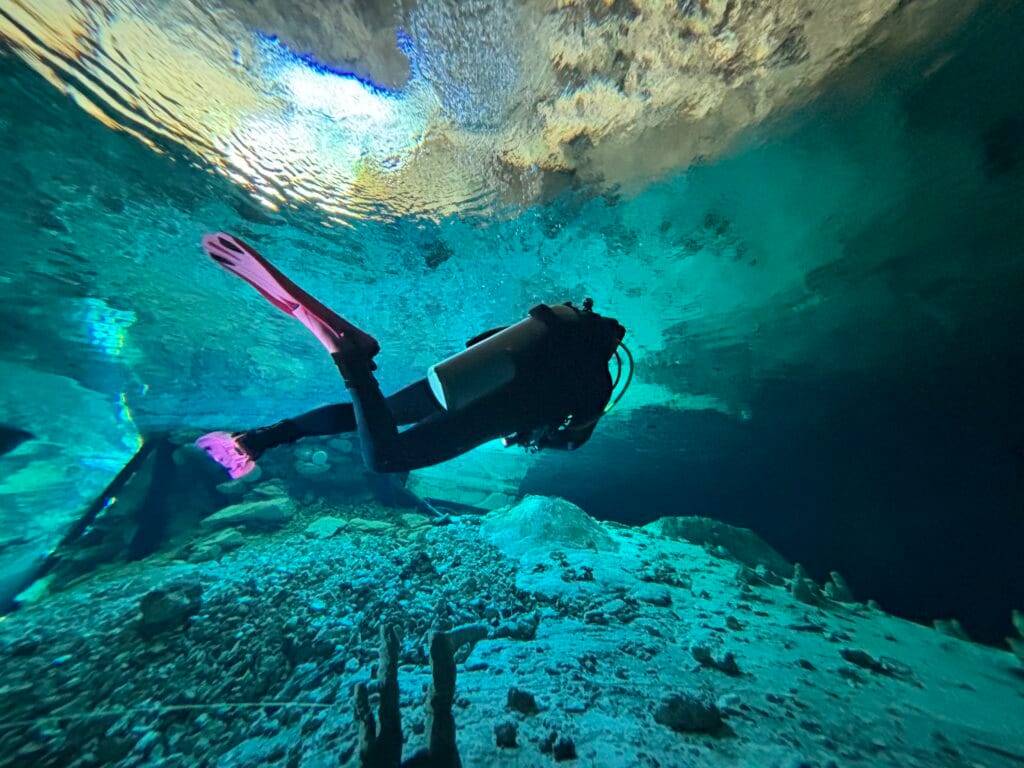
Scuba diving in Playa del Carmen truly offers something for everyone. We have beginner-friendly sites, deep drift dives, exhilarating bull shark dives, and even wreck diving. For freshwater, the Yucatan Peninsula is home to one of the most unique underwater cave systems in the world. This gives divers access to cavern and cave diving in the cenotes. This unique opportunity truly is a once-in-a-lifetime opportunity.
Click here to learn all about the individual dive sites of Playa del Carmen.
🤿 Do I need to be certified?
No!
You can do a Discover Scuba Dive. Under the supervision of a qualified instructor, and following a short lesson, you can partake in a scuba diving experience without a certification!
If you already know you’ll love it, I recommend getting certified right away to set yourself up for the best possible scuba experiences.
🐠 What marine life will I see?
You’ll see amazing marine life on every dive here. Common animal sightings include Caribbean reef fish such as butterflyfish, angelfish, trumpetfish, and parrotfish.
Common animals include: Sea turtles, moray eels, crabs & lobsters, large schools of Caribbean reef fish, nurse sharks, and stingrays.
Rare sightings: Seahorses, nudibranch, and octopus.
Seasonal sightings:
- Winter: Eagle rays, bull sharks
- Summer: Whale sharks (snorkel-only)
The wide array of marine biodiversity here gives divers a great experience, no matter the time of year.
🦈 When is bull shark season?
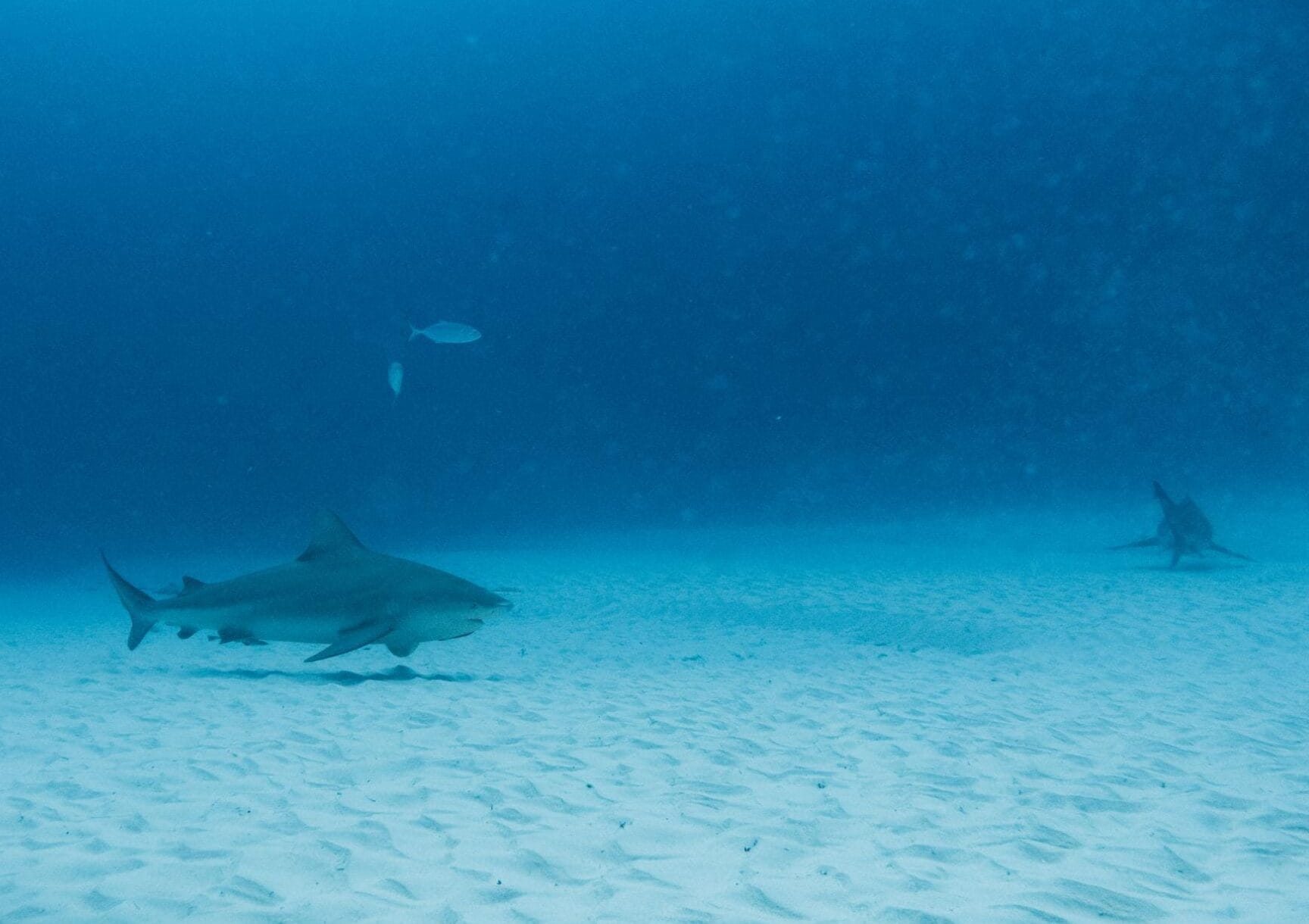
Bull shark season is November – March.
If your goal is to see a bull shark, I recommend coming during peak season, December-January, for your best chances to see these magnificent creatures.
Want more information about the infamous bull sharks of Playa del Carmen? Check out this blog post.
🌅 What’s the best time of year to dive?
The diving in Playa is great year-round with warm, tropical water. When to come really depends on what kind of diving you want.
- Summer (May-Aug):
- Easiest surface conditions – smallest waves
- Warm temperatures (30 deg C water & air temps)
- Chance of seeing whale sharks
- Fall (Aug-Oct):
- Hurricane season brings winds that sometimes close the harbor, but good weather days mimic summer conditions
- Relatively warm temps (28-29 deg C)
- Good visibility
- Winter (Nov-Mar):
- Northern winds bring our biggest waves (considered “medium” height for diving conditions)
- Cooler water (27 deg C)
- Chance of seeing bull sharks & eagle rays
- Spring (Mar-May)
- Calm seas
- Good visibility
- 28-29 deg C
🌡️ Do I need a wetsuit?
Depends on the season!
Most divers use a 3mm full suit during winter, and shorties or rash guards during summer. Using a wetsuit is really determined by your comfort level – ocean temps fluctuate between 26-30 deg C throughout the year.
Cenotes are consistently 24-26 deg C year-round. Most people use 3 or 5mm for all cenote dives.
🚤 How long are dive trips? And what do they look like?
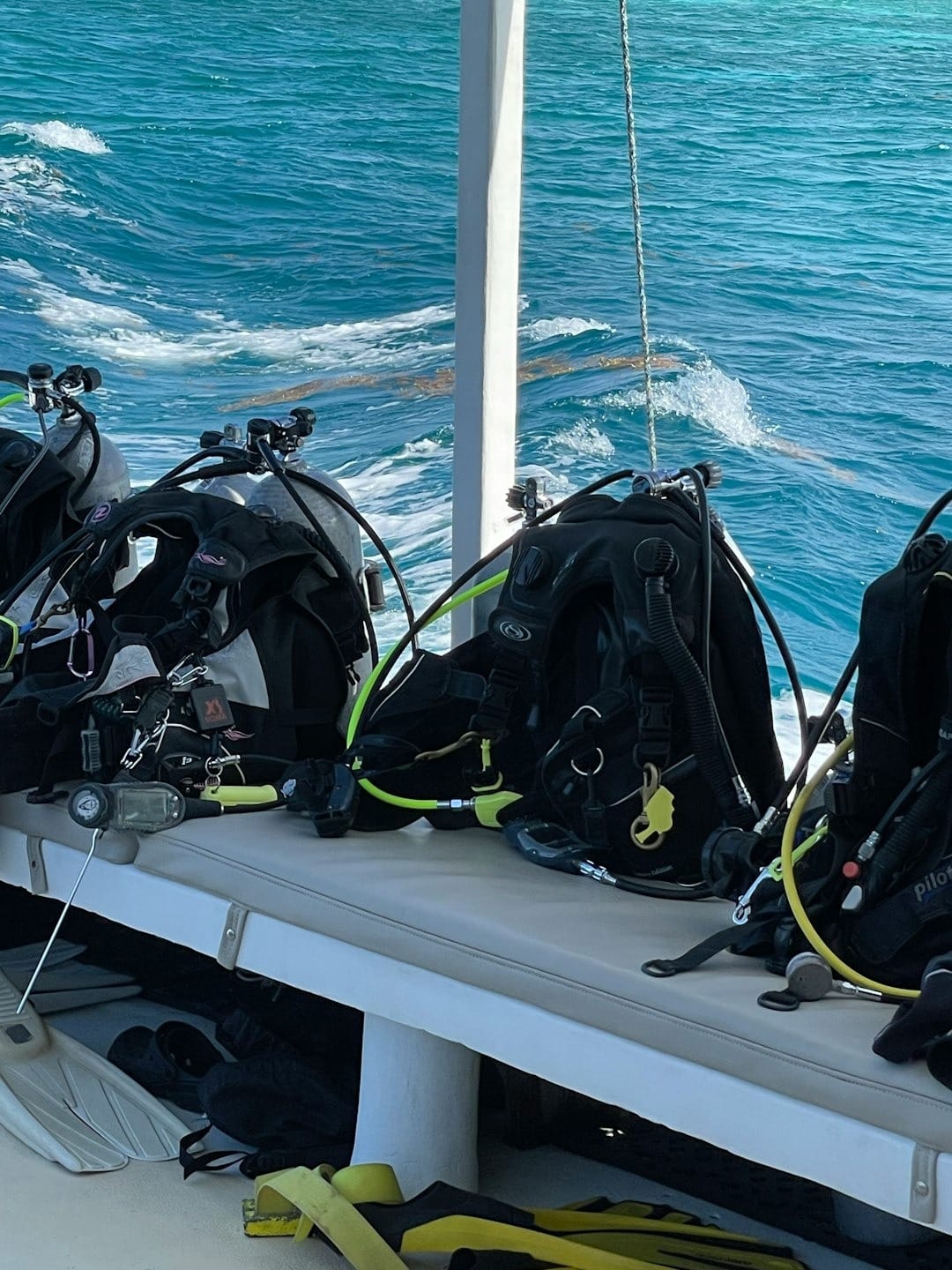
Most dive shops offer 2-tank morning or 2-tank afternoon trips. This equates to a 4-hour tour either in the morning or the afternoon.
Playa isn’t very big, so boat rides are usually 5-20 minutes to get to any dive site from anywhere in town!
Cenote tours are a bit different. You and your guide will drive into the jungle and make 2 or 3 dives along different cavern lines. Each cenote tour is different depending on which cenote(s) you are diving that day. Because it’s a longer day, most dive operators include lunch for cenote days.
💰 How much does it cost to go diving in Playa?
- 2-tank reef dive: $90–130 USD
- Bull shark dive: $120–180 USD
- Cenotes: $140–200 USD
- Courses:
- Open Water: ~$400–600 USD
(Prices vary by shop, group size, and inclusions)
🏝️ Is the diving in Playa good for Beginners?
Yes!
Playa is one of the best places for beginners to start. Certain sections of the reef are very shallow (5-10 meters), with wide sandy areas perfect for training. Once you get a few dives under your belt, Playa offers deeper dives with more current to continue advancing your skills.
While certain dive sites are fairly beginner-friendly, choosing a good operator is key to being safe anywhere you dive. Make sure you dive with someone who knows the local area, values safety and responsibility, and gives in-depth briefings so you are prepared before entering the water.
🌊 Is drift diving hard?
Drift diving is sort of like setting your car on cruise control on the highway. Once you find your neutral buoyancy, there’s no need to adjust or even swim. Just sit back and watch as you pass the magnificent marine life! The hardest skills of drift diving are staying close to the group and being aware of your surroundings.
Not sure you’re up for a drift dive – that’s ok! Playa still has plenty of dive sites to offer, with little to no current. You can read about all of the dive sites here.
🕳️ What are cenotes, and can I dive them?
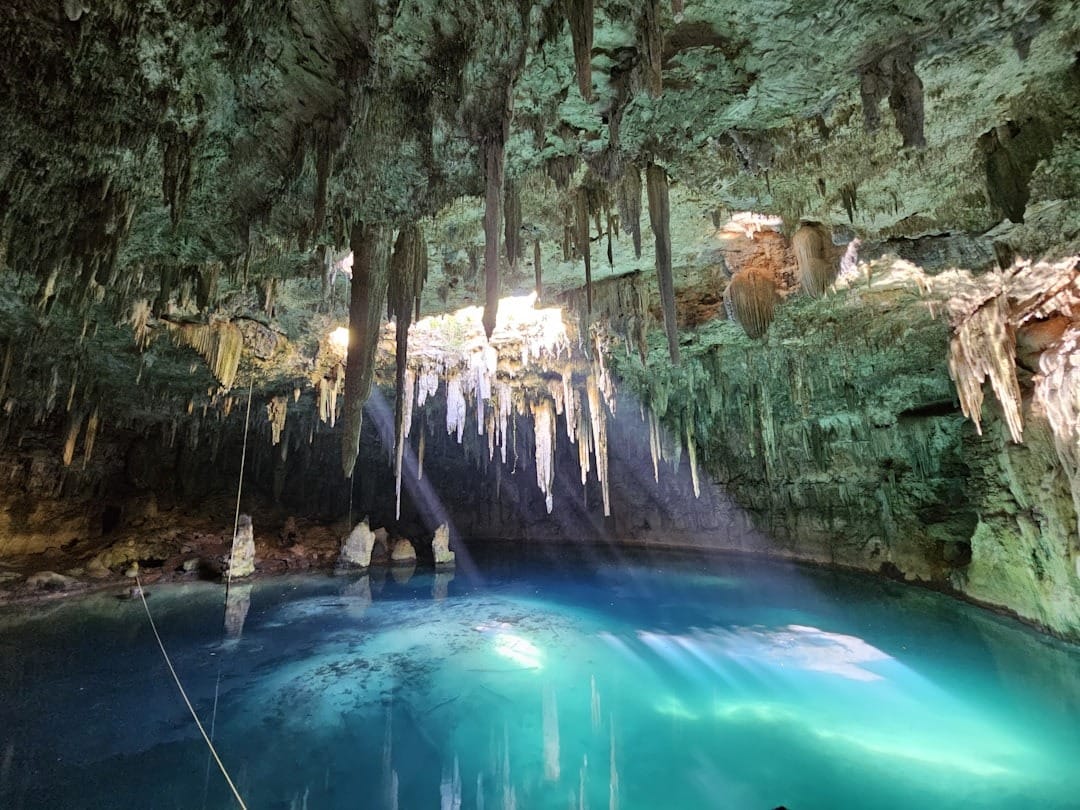
Cenotes are natural freshwater sinkholes – only found in the Yucatan. The cenotes create an underground network of caves that divers are still exploring today! Some cenotes are completely underground, whereas others are completely open air, and everything in between.
Each cenote is unique, creating endless opportunities for diving exploration.
Requirements:
- Certification: Open water – minimum.
- Cenote diving isn’t only for the super advanced cave divers – there are beginner-friendly cenotes perfect for new divers.
Take this mini-quiz with The Cenote Guys to see which cenotes are best for you!
📍 How does diving in Playa compare to Cozumel?
Cozumel is only a 40-minute ferry ride from Playa, but the dives are very different. The underwater topography from each dive location varies greatly, giving you a good mix of different dive conditions.
Playa del Carmen:
- Easier logistics
- Shark dives + cenotes
- Short boat rides
- More beginner-friendly sites
Cozumel:
- Better visibility overall
- Bigger reefs
- More marine life
- Almost all drift diving; often with no bottom
❓ Quick hitters (people ask all the time)
- Can I dive if I haven’t dived in years? → Yes, take a refresher
- Is it safe? → Yes, with a reputable shop + good briefing
- Do I need to bring gear? → No, but mask/computer = nice upgrades
- Can I see whale sharks here? → Not diving here — snorkeling trips run from Cancun in the summer
Still have questions? Send me a message, and we can chat about all things diving in Playa del Carmen!
Want month-by-month updates on diving in Playa del Carmen? Join the newsletter where I share dive conditions, animal encounters, and more every month!
Ready to book your cenote dive? Use my affiliate link with The Cenote Guys. This gives me a bit of a kick-back at no extra cost to you 🙂